CPAC To FCC: Don’t Change The TV Ownership Rules

0

It was first reported by Newsmax. And, it may come as no surprise, as the man who runs the conservative cable television news network, Christopher Ruddy, has become a lead advocate against any loosening of the nation’s TV ownership limits by the FCC.


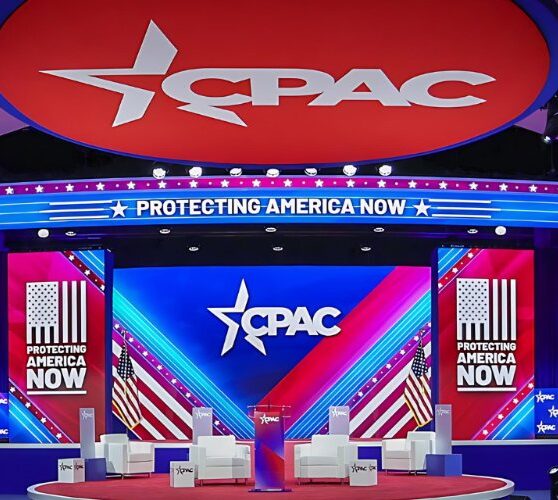
The Conservative Political Action Conference (CPAC) has told the Commission to keep its hands off of the existing television ownership rules, and eschew any change broadcasters and the NAB seek.

CPAC’s statements come as ex parte comments tied to the 2022 Quadrennial Review of the FCC’s broadcast media ownership rules — delayed by more than three years. In its filing, the group urges FCC Chairman Brendan Carr and Commissioners Olivia Trusty and Anna Gómez to maintain the existing broadcast television ownership caps, resisting industry calls to “modernize” the rules.

For the NAB, relaxation or elimination of the rules is essential, as unregulated “Big Tech” has run amuck in capturing audience and advertisers — as well as pro sports contracts that will see Christmas Day NFL match-ups only on Netflix.

CPAC’s point of view, submitted by the CPAC Foundation Center for Regulatory Freedom, is aligned with that of Ruddy, and focuses on the specter of further consolidation in local TV markets. And, it taps into a core tenet of the Carr Commission: that broadcast regulation should serve the public interest — along with localism and diverse viewpoints. Opening the door to fewer owners in local markets could dilute voices of opposition, something both conservatives and liberals should be wary of.

“Broadcast regulation exists not to manage markets or referee private negotiations, but to preserve localism, protect free speech, and ensure that the American people hear the widest possible range of voices in the marketplace of ideas,” CPAC says in its current filing.

While CPAC says the Congressionally mandated 39% national ownership cap was explicitly carved out from the quadrennial review process, it does not note that it dates to 2004, when the television landscape did not involve streaming audio or video platforms as seen today.

CPAC addresses this in a related blog post recently published by the political action committee. “Ownership limits are not about punishing success or freezing markets in time,” the organization wrote, “They aim to prevent excessive consolidation of editorial control that would narrow the range of viewpoints available to the public.” While streaming platforms and digital media have transformed content distribution, they operate outside the licensing framework that obligates broadcasters to serve public needs, CPAC concludes.