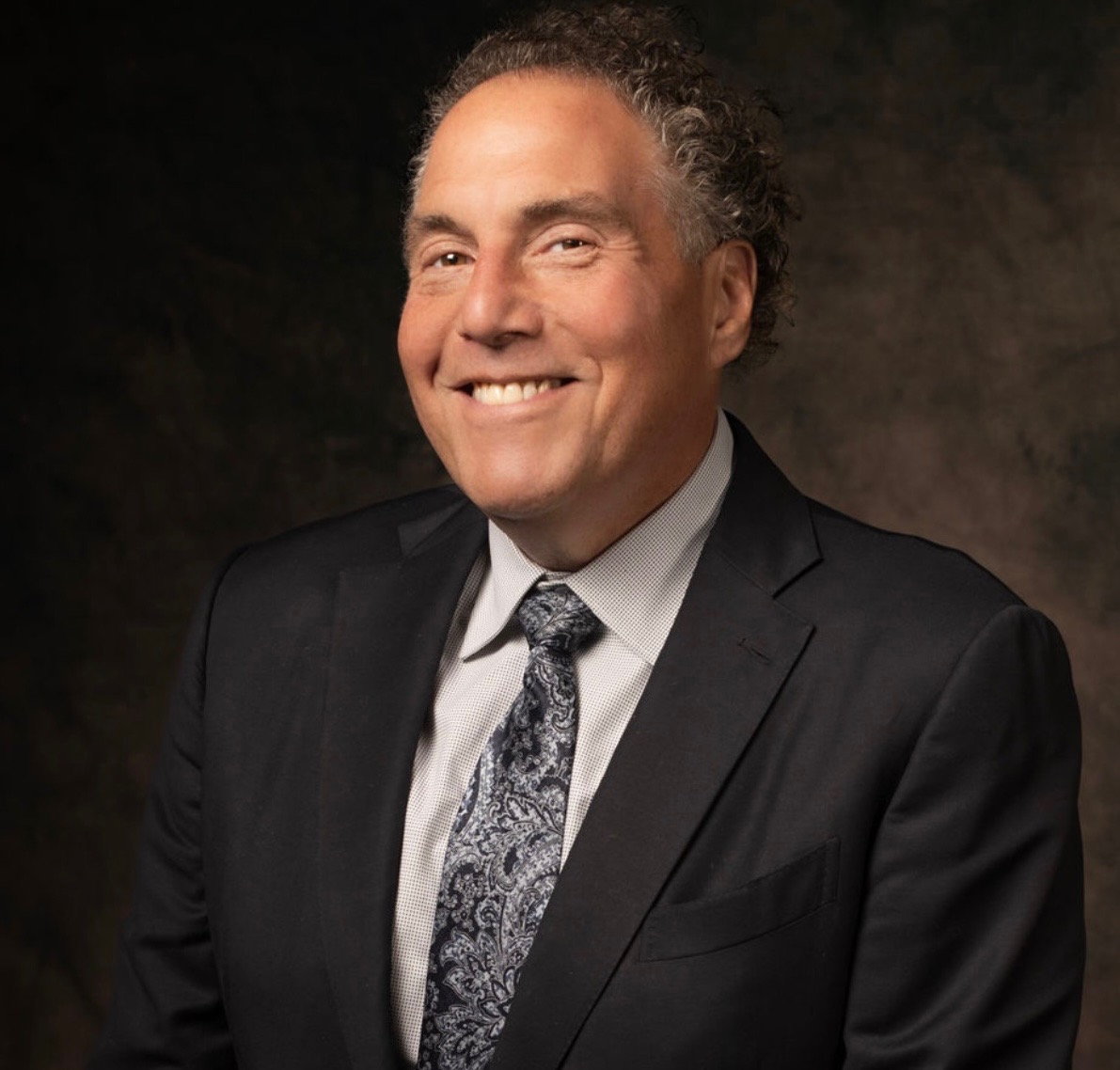
WASHINGTON, D.C. — As Soros Fund Management seeks to have his lawsuit dismissed, Connoisseur Media CEO Jeff Warshaw is laying out new details about what he says was a deliberate effort by the fund to keep their alleged agreement to make him CEO of Audacy off the record.
Warshaw filed a 37-page opposition to SFM and executive Michael Del Nin’s Motion to Strike, accusing SFM of misreading Connecticut law, miscasting what he actually alleged, and asking the court to make factual decisions that should only be decided at trial.
The Motion to Strike argued that the alleged verbal agreement, which would have seen Warshaw either receive 5% of the fund’s profits from the deal or be named CEO of Audacy in exchange for advising SFM on the acquisition of Audacy’s debt, was too vague to enforce. The fund also said that Connecticut’s Unfair Trade Practices Act shouldn’t apply because the debt purchase occurred outside the state, that the dispute is more like an employment matter not covered by CUTPA, and that some of Warshaw’s other claims were not properly laid out.
Central to Warshaw’s argument is the filing’s retelling of how the Connoisseur leader first surfaced the Audacy opportunity.
The filing describes Warshaw telling Del Nin on October 27, 2023 that he “was willing to introduce the opportunity to Del Nin if Del Nin and SFM were interested in partnering with him, even though Warshaw was in conversations with other investment firms and could bring the deal elsewhere.” He clarified that before proceeding, he would need an agreement “modified to guarantee compensation for Warshaw in the event that SFM profited without Warshaw becoming CEO.” He says Del Nin agreed.
Less than an hour later, he reportedly called Warshaw back and asked him to reach out to HG Vora. Moments after that, Warshaw says he emailed his contact there: “I was speaking with Michael Del Nin at Soros. We have been working together. If you are open to a call with him, he is interested in speaking with you. Please let me know if I can make the connection.”
Warshaw’s attorneys argue that the compensation structure was neither unusual nor ambiguous. The filing notes that the profit-sharing arrangement “was consistent with the terms Warshaw had in previous distressed debt deals with other investment firms,” and that just months before his agreement with SFM, another investment firm had exchanged a term sheet with Warshaw providing for the same structure. SFM, the filing argues, cannot now claim the terms were too vague when they mirror the industry standard Warshaw had used throughout his career. “A contract that leaves the exact payment terms to be decided later,” the filing quotes from a District of Connecticut decision, “is no less a contract.”
The filing also pushes back hard on SFM’s attempt to frame the arrangement as an employment contract requiring specificity about salary, benefits, and duration. Warshaw is not suing for a CEO salary, his attorneys note, but for the profit-sharing provision that was specifically designed to kick in if SFM chose not to make him CEO. “SFM decided not to appoint Warshaw CEO of Audacy, as was its right under the agreement with Warshaw,” the filing states, but that choice triggered the 5% obligation. Forcing the dispute into an employment framework, the filing argues, is a distortion: “Defendants ask the Court to boil down the entire business relationship between the parties to an employment agreement based on one alternative form of compensation that SFM could have chosen.”
The filing also addresses what it characterizes as repeated reassurances that kept Warshaw from pursuing other opportunities. The filing claims that at a dinner in April 2024, Del Nin “reassured Warshaw that it remained SFM’s plan for Warshaw to become CEO of Audacy,” and Warshaw responded by confirming he would refrain from other business ventures that could conflict with taking the role. The filing insists this was not an isolated moment; it was part of a sustained pattern.
“At every opportunity, Del Nin encouraged Warshaw to continue devoting his time and efforts to the Audacy deal,” the filing reads, “including calling Warshaw about Audacy 107 times between October 2023 and October 2024.” Then, after Audacy announced it would retain existing management on September 30, 2024, Warshaw claims he was telephoned by Del Nin, who told him that any assertion of an agreement was “fabricated.”
Which leads to the filing’s most pointed claim, concerning concealment.
Warshaw alleges that Del Nin instructed him to “unsend” a text message dealing with layoffs at an unrelated radio company in October 2023 so it wouldn’t trigger an internal compliance review at SFM. After that, the two adopted what Warshaw calls a “Defcon” system of coded signals to switch sensitive discussions to phone calls only, where “a ‘1’ meant that a conversation was urgent; a ‘5’ meant that a conversation could wait.”
Warshaw argues this wasn’t operational preference but intentional groundwork for future repudiation. “Del Nin’s efforts to prevent Warshaw from putting substantive comments in writing,” the filing states, “were made in bad faith to hide evidence of the agreement between Warshaw and SFM.” The filing draws a sharp contrast with the Connecticut Appellate Court’s Landmark Investment Group decision, arguing Del Nin’s conduct was “even more egregious” than the bad faith found there, “designed not merely to escape contractual obligations after they arose, but to ensure from the start that Warshaw would have no written evidence of the agreement.”
In summation, Warshaw responds that SFM’s arguments are attempts to rewrite the complaint rather than accept the allegations as pleaded, which Connecticut law requires at this stage. He says the agreement was clear enough to enforce even without all compensation details spelled out, because courts routinely allow terms like commission percentages or profit shares to be determined using industry standards. His filing cites Connecticut Supreme Court and federal cases supporting the idea that a verbal agreement can still be binding if both sides understood the deal and one party immediately performed.
If the court denies SFM’s Motion to Strike, all claims move into full discovery, keeping the case on track for a projected 2027 jury trial.