


Has radio given up to mobile?
First, the good news. Total media ad spending in the US this year will see its largest increase in a decade, according to recent figures from eMARKETER. On the strength of gains in mobile and TV advertising, total ad investments will jump 5.3% to reach $180.12 billion, achieving 5% growth for the first time since 2004, when ad spending increased 6.7%. Now, the bad news. Radio's share of the advertising pie will continue to shrink through 2018. In 2012, radio got
More LPFM applications for broadcasters to review; New petition to deny deadlines
We wrote last week about the FCC’s determination of which applicants
Collect all 6,528,927 for radio spot inspiration!
Need ideas? Techniques? Inspiration? Entertainment? Go to your audio library. You know, that reference library of sounds, commercials, talent tapes
When the dust settles, OTT TV could be good for everyone
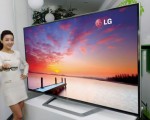
Aereo couldn't convince folks it was an innocent TV antenna or simple OTT (over the top delivery service) so now they're going to put on the lipstick of the cable companies...yeah, lotta love there! But no big deal, because there is plenty of stuff - good, bad, mediocre - streaming over the air and the new (getting cheaper) 4K Smart TVs are ready for the streams.

Thousands of substantial service failures in 2014 from Big 5 Pay-TV companies
In response to TVfreedom.org’s letter to U.S. Senator Claire McCaskill on the 2014 service failures experienced
FCC fines cable system $2.25 million for retransmitting without consent
The FCC on 7/7 issued an order imposing a $2.25 Million fine on a set of companies

Into the Unknown
But we haven’t really ever sold digital ideas before; we always just gave them away for free. I’ve never written a blog before, why would my clients care about reading it? This new program seems like it has a lot of work that we would need to grind on to make it a reality. My family takes up all of my time after work I don’t have any time to read those books.
Pandora files first petition for declaratory ruling
In November, the FCC changed its policy regarding the foreign ownership of broadcast stations. In its decision, about which we wrote here, it agreed to entertain applications seeking “alien ownership” exceeding the 25% limit for foreign ownership of broadcast stations that had previously been in place.

Geo-targeting: fact and fiction
Advertisers are always looking for ways to enhance the impact of their commercial messaging and with smartphone penetration

Apples and Oranges
On the same day in Washington, DC, June 25, 2014, two significant events occurred in the world of performance rights in broadcasting. The first was the Supreme Court’s decision in the Aereo case. Aereo is an on-line television streaming service that captures television broadcasts using thousands of tiny individual antennas (ostensibly one for each subscriber). It then stores those programs and makes them available to paid subscribers by streaming over the internet. Aereo claimed that it was not engaging in a public performance of copyrighted material but instead was merely leasing equipment to subscribers who were engaged in a “private performance”. Broadcasters disagreed and

L.A. ratings recall illuminates overall PPM problems
The Nielsen recall of the April Los Angeles Portable People Meter (PPM) ratings provides an opportunity to talk about what radio researchers and
The summer of copyright and music licensing part 1: Songwriters demand a bigger share
This is the summer of copyright – as seemingly every government
Small market TV broadcasters to upload political files as of July 1
TV stations in markets outside of the Top 50, and stations in the Top 50 markets that are not affiliated with one of the Big 4 networks, need to begin to upload new material placed into their political files into their Online Public File as of July 1 – just a few weeks away. David O’Connor of my firm and I conducted a webinar for television broadcasters from 7 states last week, where we discussed this new obligation for smaller TV stations, and talked about what documents are supposed to go into the political file.
The listener is different but the advertising isn’t
A couple of years ago a creative director said something to me that I’ve not forgotten. His observation
Understanding the science of sound to increase revenue
I recently conducted a sales meeting with a New York cluster regarding the power of sound and the impact of audio. Every time I conduct one of these sessions it reminds me of the remarkable influence our hearing has on our behavior and purchasing decisions.