


Nielsen’s Latest Consumer Report Tackles ‘Streaming Pitfalls’
Nielsen is touting that -- for the first time -- its quarterly Total Audience Report includes insights surrounding content discovery on streaming platforms and "the potential pitfalls these players face." It also showcases new data into the streaming and media-related landscape that are particularly topical.
Cashing in on consumers with television
When looking at television data, sports programming again does very well. However, television programming tends to flatten out the demographics

What Broadcast Media Can Learn From Multicultural Marketers
Picture this: You are the steward of a 70-year-old brand. This brand's success is bigger than ever, with a more than 40% market share. No, we're not talking about a big News/Talk radio station on the AM dial. But, we should be, based on what was delivered Monday morning in a powerful Keynote Address at the ANA Multicultural Marketing & Diversity Conference from P&G Chief Brand Officer Marc Pritchard.
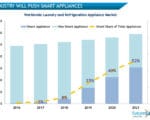
The Day Of The Smart Appliance Is Finally Dawning
Smart appliances have been available for many years without making much impact on the $74 billion worldwide laundry and refrigeration market. But, research from Futuresource Consulting indicates that this may be about to change. That's big news for radio industry sales execs.
Take the commercial apart and see how it works
One of the ways to improve your skills in any field of expression whether it’s visual art, poetry, songwriting, filmmaking or writing is to analyze the work of the masters in each medium and discover the principles that make the piece successful. Will it work for radio commercials? In my experience, yes. Whether you use it as a way to break writers’ block, or as a continuing method to improve your writing this exercise may be useful.

Captivate Your Virtual Audience with a Smile
As "Zoom expert" Rosemary Ravinal sees it, one of the things that unites all people regardless of culture and geography is the smile. As such, Ravinal says in this column, "A smile will help you command the physical or virtual room with warmth, likeability, and credibility."

The State Of The ‘Broadcast’ Industry, From An OTT Lover
There's been a surge of major streaming services into the consumer video market. With this has come a "multi-billion dollar" expansion of original content creation ... and an increase in M&A activity among broadcast companies. These are the integral themes of Ooyala's State of the Broadcast Industry report for 2019.

Borrell: Advertisers View Digital No Better Than TV Spots
Media research firm Borrell has kicked off its summer 2019 "Chart of the Week" series. In its first at-a-glance chart of interest to broadcast media is a peek at how digital video advertising compares with TV. The big takeaway? Brief, no-clutter video ads work as well as traditional spots.
Tom Birch looks at the new ratings battle
When it comes to the radio ratings business, Tom Birch knows what he’s talking about. He founded Birch Radio, sold it to VNU (now...

AM, FM Fuel Local Business Growth In Kansas
For Rocking M Media, "localism" means serving as an incubator for rural businesses -- with radio stations as a key conduit

Can We Modernize The FCC?
Implement a structure that moves away from antiquated silos, FCC landing team member Mark Jamison opines

Ten ‘Awesome’ Follow-Ups To Get Buyers Talking
"Your sales reps can differentiate themselves by asking great questions," says featured Media Information Bureau columnist Barrett Riddleberger. "However, the art of the follow-up question can really set them apart." With that, Riddleberger
offers the following advice, meant for C-Suiters to share with their reps as a guide for improved sales performance.

Liberty Media looking to raise Sirius XM stake to 45%
On John Malone‘s Liberty Media Q1 call, the company said it plans to boost its Sirius XM holdings
Plan to Succeed
You will not survive an economic slowdown by simply hoping that you sell more or your current customer base buys more. Account planning

A Goodbye To Mulvaney, And A Call To Curtail Lobbying
A Senate vote on Thursday affirmed who will take over the Consumer Financial Protection Bureau from acting director Mick Mulvaney, the subject of this column from Ken Benner. Mulvaney's attitude towards how things, in his mind, get done in D.C. irks Benner yet again.