
By Brian Galante
Special to RBR+TVBR
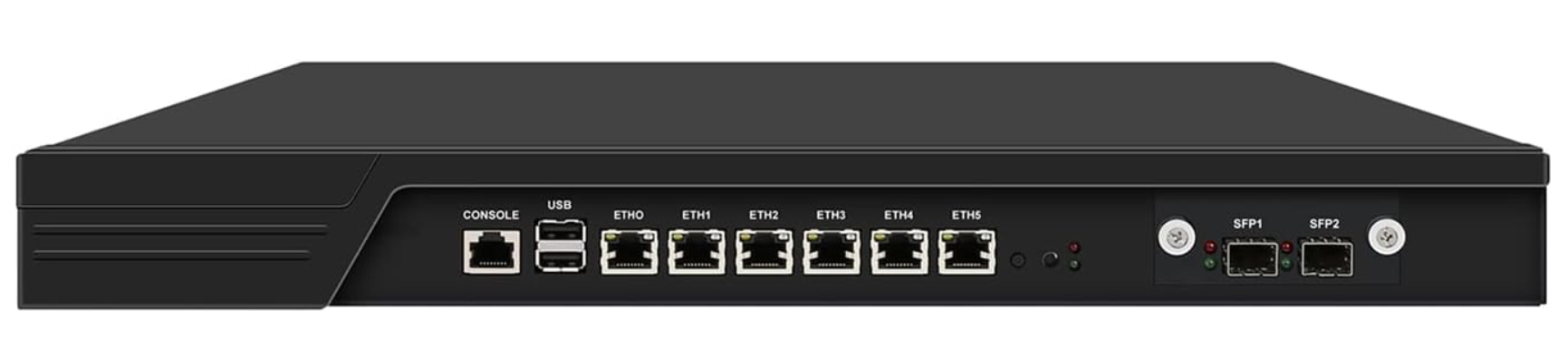
A managed service for broadcast transmission monitoring and support has arrived from GatesAir, and it’s market delivery is concurrent to the company’s introduction of an on-premises site appliance that securely connects transmitters and related infrastructure to the AirWatch365 platform.
AirWatch365 and the AirWatch365 Edge Gateway represent a continued expansion of GatesAir’s global services strategy, bringing together cloud-based aggregation with secure, site-level data collection designed to help broadcasters improve operational visibility, reliability, and support responsiveness, the company asserts.
Available through the company’s broader GatesAir Care program, AirWatch365 is a 24/7 Network Operations Center (NOC)-based service that enables broadcasters to outsource monitoring, diagnostics, and support to a dedicated team of GatesAir RF experts. The service continuously collects telemetry, correlates alarms, and applies analytics across multiple sites, allowing engineers to identify and respond to developing issues before they impact on-air performance.
“At GatesAir, our focus is on providing broadcasters with a reliable and scalable approach to monitoring and supporting increasingly distributed transmission infrastructure,” said Raymond Miklius, Vice President of Technology at GatesAir. “AirWatch365 brings together centralized visibility, structured analytics, and expert support to help ensure consistent, high-quality on-air operations.”
AirWatch365 uses a cloud-based server layer as the central aggregation point, while the AirWatch365 Edge Gateway collects and normalizes operational data from transmitters, exciters, and environmental systems, including key performance indicators such as power levels, temperatures, and signal conditions. That data is securely transmitted to the AirWatch365 platform, where it is aggregated, analyzed, and presented through configurable dashboards.
This architecture enables broadcasters to manage alarms, performance metrics, and reporting across multiple sites, while maintaining local autonomy and fail-safe operation if a site is temporarily disconnected.