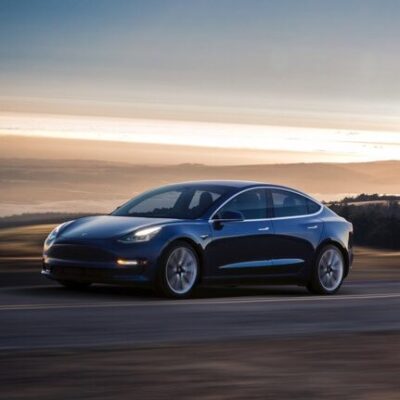
With Tesla deciding to end both AM and FM radio access in two of its entry-level models, Congressional passage of the “AM Radio for Every Vehicle Act” is more urgent than ever. For NAB EVP of Public Affairs and Chief of Staff Michelle Lehman, getting the bill to the full House for a long-awaited vote is a must.
In a blog post distributed late Thursday by the NAB, Lehman lamented how Tesla drivers will have to rely on streaming and paired smartphone audio to listen to music, information, sports or any emergency messages. With data, texting and mobile phone service resiliency still susceptible to hurricanes, floods, earthquakes, tornadoes or other natural disasters, local radio can deliver — as was seen in Asheville, N.C., following unprecedented flooding and mudslides crippled the region.
As Lehman sees it, “Automakers like Tesla put profits above public safety when they remove local radio. Vehicles remain one of the primary places Americans listen to radio each day, and during emergencies, over‑the‑air radio saves lives. Streaming over cellular data or internet is vulnerable to network outages and can require subscription fees.”
She then reiterated the trust factor for local radio and how “each month, 82 million listeners depend on AM radio to always be on.” While companies such as Audacy Inc. have all but shifted the branding and distribution of their spoken word all-News stations to FM stations or the Audacy app, it owns WWJ-AM in Detroit — which does not have an FM translator to give it another over-the-air boost. For iHeartMedia, stations ranging from WBZ-AM in Boston to WLW-AM in Cincinnati rely on their booming multi-state signals to reach consumers.
For those preparing to buy two new Tesla models, they’ll have no choice but to use a streaming app — and risk the loss of internet access at any given notice.