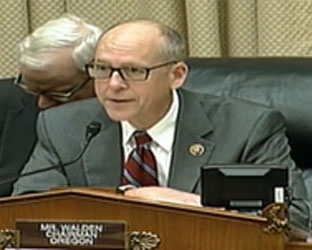
Why Walden Wants to Fix FCC In-Fighting

2

greg-waldenThe in-fighting at the FCC has grown to the extent that lawmakers want to fix it, not only for those in this administration but for those who serve in the future as well.


Lawmakers at Tuesday’s House Communications and Technology Subcommittee hearing asked a lot of questions about the commission process — how it’s working, and where it falls short.


Subcommittee Chairman Oregon Republican Greg Walden, a former radio station owner, said “sharp divisions within the commission” are known and he asked various commissioners to comment on that.

Republican Commissioners Ajit Pai and Michael O’Rielly detailed their concerns. Pai said over the past two years “collaboration has fallen by the wayside. Just last week the chairman’s office denied a request from him and Commissioner O’Rielly to see an item on paper before a vote, Pai told lawmakers.

When the chairman announced the FCC process reform task force last year, “I took it seriously.” However after “dozens of meetings the task force has accomplished nothing. At this point the only way to ensure FCC reform is through legislation,” said Pai.

O’Rielly concurred adding his suggestions “are not about undermining the chairman. The chairman would still control every vote.” He believes the point of organizing the task force was to defuse debate.

Both GOP commissioners say they cannot discuss an item before a vote but the chairman’s office does, even leaking things to the press before they’ve seen an item. They have said before and they reiterated they cannot even correct an outside party’s impression about an item before a vote without first seeking approval from the chairman.

Walden finds the situation “intriguing and disheartening.” He suggested “the current process is broken. This is 2016, not 1816. It needs to change.”

Illinois Republican Rep. John Shimkus challenged the commissioners “to disregard the chairman’s edict and talk to people.”

Wheeler told Colorado Democrat Diana DeGette he didn’t have a prohibition against commissioners speaking out, that commissioners have always been able to have “an ongoing dialog” through things like blogs and speeches.

But in trying to get Wheeler to answer either “yes” or “no” to “Are commissioners allowed to speak publically about proposed rulemakings?,” she grew frustrated and finally asked: “Can you just answer my question!”

He replied: “They can talk about it, but not in specifics.”

When asked why, he said: “It’s always been this way.”


You do not have permission to view the comments.