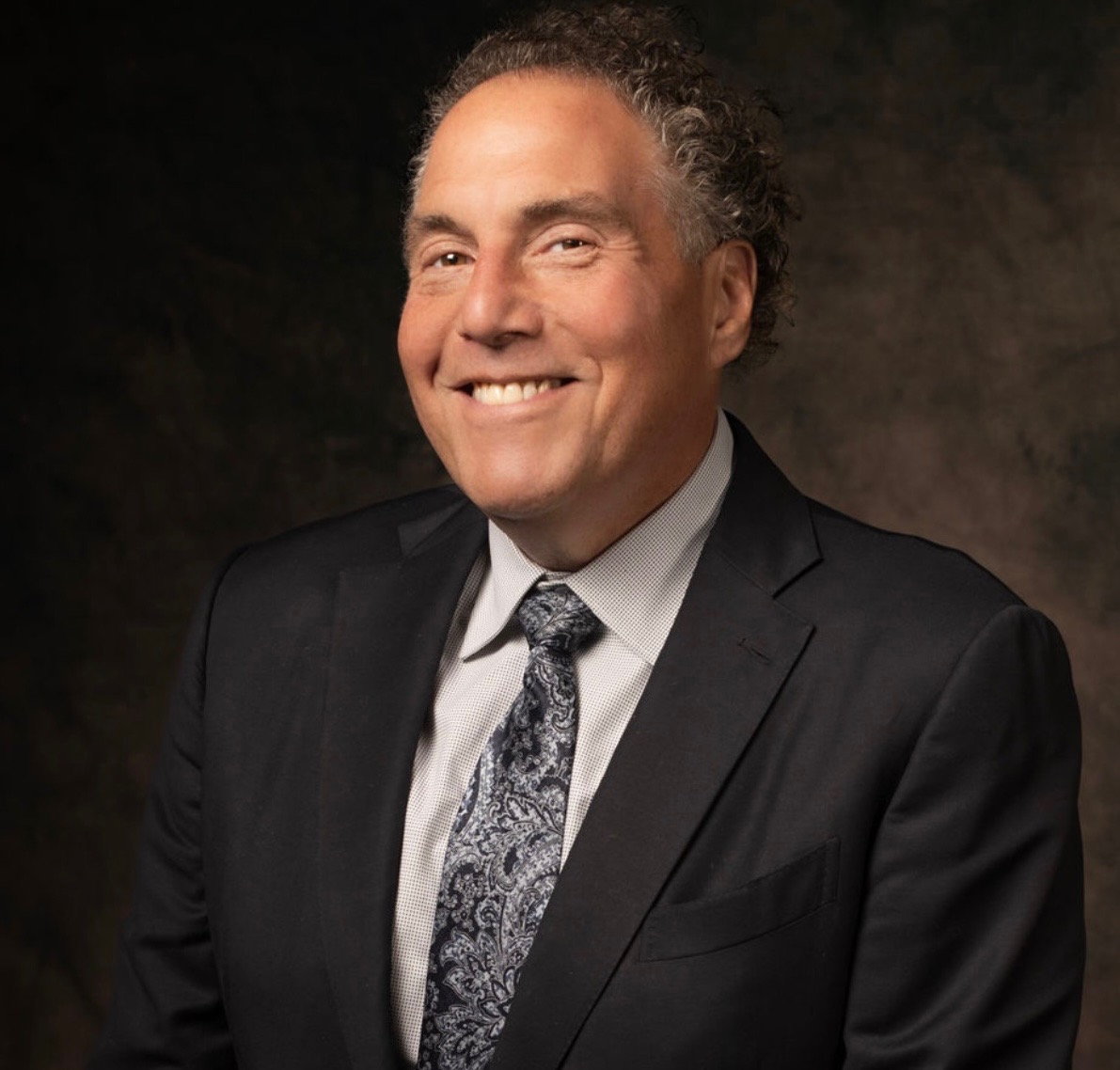
Attorneys representing the founder and head of Connoisseur Media have made important calculated updates to his lawsuit against Soros Fund Management, the controlling interest holder in Audacy.
For Jeffrey Warshaw, it is a move designed to protect his backup legal theories in case a judge later rules no enforceable contract ever existed between the two sides.
The Connoisseur Media founder and CEO alleges SFM refused to compensate him for services that enabled it to acquire a controlling interest in Audacy after he introduced the opportunity to SFN head of media partnerships and investments Michael Del Nin in 2023. The filing comes as SFM’s Motion to Strike the prior complaint remains before the court, and the amended complaint again seeks damages, specific performance, and attorneys’ fees.
The most noteworthy new detail in the Third Amended Complaint, filed July 27 in Connecticut Superior Court, is a fresh paragraph stating that SFM had previously identified Warshaw as an “Advisor” on the Cox Radio transaction and knew he had received compensation from other investment firms for similar work — an allegation meant to show SFM knew or should have known Warshaw expected to be paid for this deal too.
The complaint also newly grounds its quantum meruit claim in a specific statement Warshaw says he made to Del Nin on October 27, 2023, that he expected compensation before disclosing the Audacy opportunity, replacing an earlier version that had simply asserted an implied contract existed.
The scene describing Warshaw and Del Nin’s April 2024 dinner in the City of New York was rewritten and expanded with new detail as well.
The earlier complaint had Warshaw asking that if SFM retained then-CEO David Field rather than naming Warshaw to the role, Defendants would alert him “as soon as possible so that he could pursue other opportunities.” That framing is gone.
The new version has Warshaw confirming he would not pursue other business ventures that could conflict with the Audacy CEO role, and adds a new paragraph stating that during the same dinner, Warshaw told Del Nin he expected to be paid under the previously agreed terms if SFM did not make him CEO.
One prior factual claim was also softened: the complaint’s account of HG Vora’s Audacy debt position, previously called “controlling,” now reads “significant.”
Beneath the new detail, the redlined changes also reveal a legal strategy shift.
Where the prior complaint said Del Nin entered “an ongoing contractual relationship” with Warshaw and had “frequent and ongoing communications” throughout that “contractual relationship,” the new version swaps in “business relationship” both times, and drops the word “contracted” from how it describes the work Warshaw did while in Connecticut.
That wording matters because Warshaw is making three separate legal arguments: breach of contract, and two backup arguments, promissory estoppel and quantum meruit, that only work if there wasn’t an enforceable contract in the first place. By softening the contract language early in the complaint, his attorneys reduce the risk that those early pages accidentally undercut the backup arguments later on. The complaint also cleans up a related issue. Instead of broadly re-asserting “every” prior paragraph into those backup claims, a catchall phrase SFM’s Motion to Strike had specifically criticized, the new version lists out exactly which paragraphs apply to each claim.
If the court denies SFM’s Motion to Strike, the case proceeds to full discovery, with a jury trial projected for 2027.