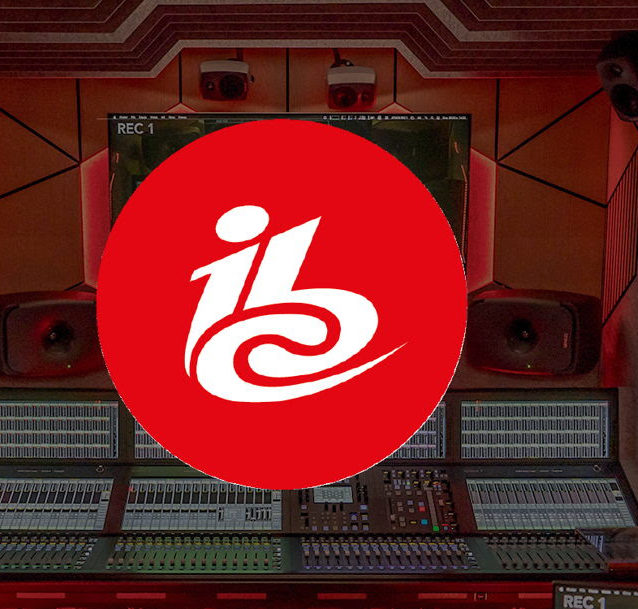
Responding to the broadcast industry’s shift to embrace more flexible production platforms, Solid State Logic is evolving its comprehensive System T platform at IBC 2026 (stand 8.B45) to embrace a range of software-defined workflows.
The company plans to demonstrate how its System T ecosystem is delivering scale with a range of physical and virtualized user interfaces as part of its software-defined Virtual Tempest Engine (VTE) for deployment across both on-prem and cloud workflows.
Handling up to 256 processing paths and with support for all immersive audio formats, System T’s VTE can be located on-prem on a standard COTS server, on public cloud infrastructures, or use a hybrid of both. Delivering the ultimate in scalability it can be accessed from any System T surface, whether that is a virtualised controller on a PC, a compact desktop tile, or a top-of-the-range S500 console.
According to SSL Broadcast Product Manager Berny Carpenter, the ability to deploy broadcast audio processing wherever it is needed and provide remote control of that processing from anywhere, positions it perfectly for the industry’s transition to more agile, software-defined workflows. “At IBC, SSL is previewing enhancements to VTE’s software-based processing engine as part of our commitment to align with the EBU’s Dynamic Media Facility (DMF) project,” he says. “The idea of accessing a shared server stack that can host all the production software a facility needs, with users spinning up whichever tools a given job requires, is a powerful driver for broadcasters focused on reducing costs and maximising their investment to deliver a broader range of content.”
Carpenter adds that the DMF project and the associated Media eXchange Layer (MXL) development aims to solve many of the real-time challenges of moving to software-defined workflows. “It gives broadcasters the ability to take advantage of best-of-breed technology in the same flexible software stack while retaining the tried and trusted feature set that broadcasters have come to expect from SSL, and all without committing to a one-off investment in processing hardware up front,” he says.