Al Sharpton-Founded Group Pans TV Ownership Rule Thaw Plan

0

Add a civil rights organization founded by The Rev. Al Sharpton to the growing number of dissenters who believe the national television ownership cap should not be modified — something that is highly integral to Nexstar Media Group’s proposed merger with TEGNA, creating the broadcast industry’s first supergroup and, in a way that involves less debt leverage, the iHeartMedia of over-the-air television.


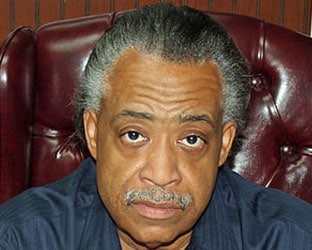
National Action Network, founded in 1991 by Sharpton, submitted reply comments to a July 9 FCC Pubic Notice seeking input on whether or not the Commission should tinker with its national TV ownership cap.

In the name of promoting and protecting the rights of people through “advocacy
for economic justice, political empowerment, and fair representation in all aspects of public life including in the media that informs our democracy,” NAN says the current 39% national audience reach limit “remains one of the few structural protections that ensure broadcasting serves the entire community, not just the bottom line of large conglomerates.”

And, while establishing the Commission has the authority to review its ownership rules,
“any change to the national cap must first pass the most important test: Will it strengthen localism, preserve competition, and protect the diversity of voices that communities, especially those historically marginalized rely on? If the answer is no, the rule should be retained and enforced. The public air waves belong to the public, and licenses must
remain accountable to the communities they serve.”

NAN also addressed the subject of localism, noting that national ownership limits are essential to it. “Localism is not an abstract value; it is a measurable operational opportunity.”

It also believes competition requires a diverse pool of owners, as broadcast licensees are “scarce resources,” and how viewpoint diversity and the public interest require the current cap.

NAN points to the Commission’s “own findings,” which it says “have repeatedly linked diversity of ownership to diversity of viewpoints and content. “Data from Pew (2023) and the Knight Foundation (2022) show that audiences particularly those in communities that rely heavily on local TV consume a narrower range of viewpoints when ownership is concentrated,” NAN argues. “In practical terms, the absence of varied ownership leads to fewer editorial perspectives on matters of public concern, reducing the electorate’s ability to make informed decisions.”

For NAN, the proceeding “is not about preserving the cap as an end, it is about preserving what the cap protects: diverse ownership, competitive markets, and local service that reflects and responds to all communities. Weakening the cap without robust safeguards would accelerate consolidation, reduce locally originated coverage, and close pathways for new entrants’ outcomes directly at odds with both the Communications Act and the public interest.”

As such, the Commission should retain the 39% cap as the baseline safeguard; enforce it effectively by closing “loopholes” in joint sales, shared services and “sidecar” agreements (effectively tightening current rules, which is unlikely); reexamining the ‘UHF discount’ “to ensure it reflects actual reach in today’s marketplace”; and requiring “transparency in
locally originated news hours and staffing to measure consolidation’s impact on localism. ”

The NAN concludes, “These actions protect competition and consumer choice, while ensuring that every community, especially those whose voices are often excluded, continues to have access to trusted, relevant, and representative local news. That is the standard NAN believes the Commission must uphold if it is to fulfill its mandate over the public airwaves.”