A Broadcast Finance Review for Pandemic Times

0

With final data for the third quarter still being computed, radio industry total ad revenue is looking to be down by 30% compared to 2019. Blame it on COVID-19.


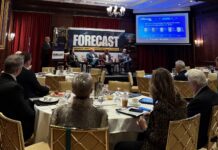
Yet, there are some bright spots, and those were brought to light in Pillsbury’s Broadcast Finance 2020 — a virtual Radio Show presentation held Wednesday featuring two radio industry CEOs.


With Pillsbury partner Scott Flick moderating, Hubbard Broadcasting radio CEO Ginny Morris offered a blunt assessment of how the pandemic has impacted the privately held media company, which also owns TV stations in such markets as Albany and Rochester, N.Y.

She said that Phoenix hasn’t been as bad as Seattle, or Minneapolis-St. Paul, or Chicago. Hence, geographic orientation has made a difference for radio companies with respect to the financial hit COVID-19 brought.

Morris also noted that diversification is important: With the West Palm Beach radio stations Hubbard acquired from Alpha Media heavily reliant on events, bringing in dollars in other ways is now crucial — even with dominant ratings positions.

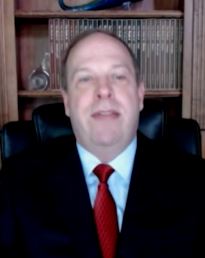
Connoisseur Media founder and CEO Jeff Warshaw was also present for the virtual session.

Warshaw admitted that, with all of the company’s assets in the New York Tri-State area, “we were hit devastatingly hard and devastatingly quickly.”

How bad was it? Ad dollars were down “north of 80%” in the first month or so.

“It’s been coming back each month since April, but there’s a long way to come back,” Warshaw said.

For other radio industry companies, those with more digital revenue and less of a geographical impact are faring better, he said.

Then, there is reliance on single categories, such as automotive. For Connoisseur, where in some markets some 20% of revenue comes from auto dealers, the carnage was severe. “Automotive is one of the slowest categories to return,” Warshaw said.

What’s particularly ugly is that 98% of the category dollars disappeared in April.

If there was one thing that Morris and Warshaw wish they could go back in time to March and redo, it was their recovery plan.

Both didn’t believe we would be dealing with a pandemic to the extent that we still are, with initial assessments that “flattening the curve” would allow some return to normalcy by now.