On Wednesday (7/22), the FCC moved ahead with rules establishing the auction of 160 MHz of spectrum in the Upper C-Band by July of next year. A 35-year-old Space Coast broadcast technology company is at the ready to help radio and TV companies navigate what is shaping up to be one of the most complex media transport transitions to date.
The next phase of C-band spectrum clearing triggered a big push by USSI Global to ensure U.S. media organizations that implementing the optimal transport strategy for their operations be considered, given what’s expected to transpire over the next 12 months.
The FCC’s Upper C-Band initiative follows the successful multi-year effort that reallocated the lower 300MHz of C-band spectrum for wireless services while relocating broadcasters to the remaining upper spectrum.
The next phase is not expected to be such a simple migration — many existing satellite users will likely transition beyond traditional C-band infrastructure to ensure long-term continuity for contribution and distribution services.
“The first C-band clearing initiative required meticulous planning, engineering and execution, but broadcasters ultimately remained within the same satellite ecosystem,” said Ted Korte, Vice President of Engineering and Technology at Melbourne, Fla.-based USSI Global. “This next phase presents a much broader set of engineering decisions. Every broadcaster’s network is unique, and success depends on understanding the performance, resiliency and operational implications of each transport option before making that transition.”
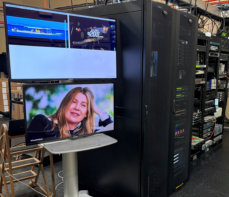
Korte believes that the future of media distribution “will almost certainly involve a combination of technologies rather than a single transport platform. Our role is not to promote one technology over another, but to help customers evaluate every option in our Media Transport Solutions Lab, and then manage every phase of implementation from planning through ongoing operational support.”
For USSI Global President/CEO Anthony Morelli, minimizing operational risk, accelerating deployment timelines and “ensuring uninterrupted media distribution throughout every phase of implementation” is the key goal.
— With reporting by Brian Galante, in Boston