Why Cash-Strapped Cable Company Gets a Break

0

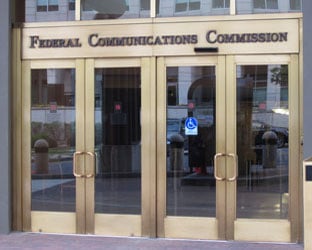
FCCdoorThe Enforcement Bureau went after a cable company in a big way.


Some of the allegations against St. George Cable include failing to operate its system within the required signal limits, not having an EAS system and not suspending operations immediately when the FCC told it to.

All owners should be interested in this case because every analog and digital cable system (as well as broadcasters) must be able to receive and pass on a nationwide EAS message.

The cable leakage limits control emissions that could interfere with aviation frequencies.

In a consent decree with the Enforcement Bureau, the cable company based on St. George Island, Florida admits it didn’t have operational EAS equipment and operated outside the required signal leakage limits. St. George also admits it didn’t suspend operations right away when the bureau told it to and resume operations only when receiving written authorization, and also did not register its cable system with the FCC.

St. George is a small cable operator serving about 750 residents. The bureau first fined the company $25,000 in 2011. St. George told the agency the EAS issues were fixed yet it’s having financial problems and asked that the penalty be eliminated or reduced and provided documentation.

The agency has St. George on a payment plan for that fine.

The company provided the commission more documentation showing it’s experienced a continuing and significant revenue and profitability decrease over the years. That’s why the consent decree, which settles the case, involves such a low payment.

St. George has also agreed to adhering to a plan to ensure FCC rule compliance in the future.