A decade-long moratorium on state-level Artificial Intelligence regulations, which would have impacted broadcast media stations across the U.S., was solidly defeated by a nearly unanimous vote in the U.S. Senate.
It is a sudden reversal from what had been anticipated as of Sunday, and gives broadcasters the continued ability to vet political advertising rather than adhering to a federally mandated law passed by Congress.
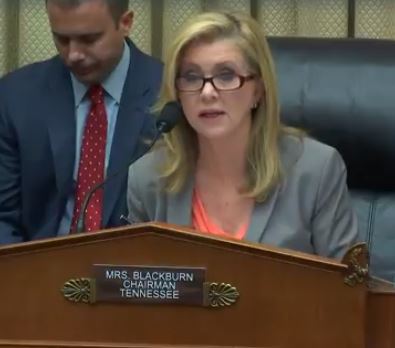
The effort to prevent states from enacting their own AI laws had been included in President Trump’s sweeping tax and spending bill, reviled by former DOGE head Elon Musk. The “big, beautiful bill,” as the President calls it, is the Republican-authored budget reconciliation effort. The removal of the AI language was stripped from the bill early Tuesday morning. And, the excising of the language came via an amendment from Sen. Marsha Blackburn (R-Tenn.), approved in a 99-1 vote.
The lone dissenter? Retiring North Carolina Republican Thom Tillis.
The AI provision would have tied access to a new $500 million AI infrastructure fund with a requirement that prohibited states from passing or enforcing AI regulations for 10 years.
Blackburn’s amendment marked a significant shift in her position. On Sunday, she and Senate Commerce Committee Chair Ted Cruz (R-Tex.) reached a deal to reduce the “pause” from ten years to five years and introduce carve-outs for state laws addressing child safety, deceptive practices, and the unauthorized use of name, image, voice, or likeness. However, under pressure from critics, Blackburn reversed course and introduced a full repeal amendment.
While Cruz and other backers of the original moratorium warned that state-by-state AI rules could hinder economic growth, lawmakers from both parties voiced growing concern about overreach and the potential harm to local efforts to protect consumers, artists, children, and democratic processes.
The amendment’s defeat maintains state control over emerging AI regulations, but also leaves broadcasters facing a fragmented legal environment. In the absence of a federal framework, radio and television operators may be subject to a shifting mix of state laws governing AI-generated content, voice replication, and political ad disclosures.
Broadcasters in New York must include audible disclosures when political ads feature AI-generated content. California, Texas, Minnesota, New Jersey, Idaho, Indiana, New Mexico, Utah, Wisconsin, and Washington have also enacted deepfake laws requiring stations to identify or refuse AI material that replicates a person without their consent. Oregon’s rules are stricter still, demanding clear disclosure of AI use in all campaign-related communications.
Broadcasters and industry groups like the NAB have previously called on Congress to create a clear national standard to ease the strain of navigating conflicting or duplicative requirements across markets.
With the AI language stripped, the broader tax package now advances toward a final vote ahead of Trump’s self-imposed July 4 deadline. The House and Senate will still need to reconcile competing versions before the bill can reach the President’s desk.