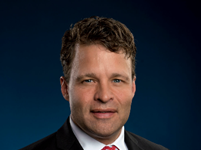


“There are several pieces that I’ve learned along the way from doing this work,” says NPR Chief Diversity Officer Keith Woods.
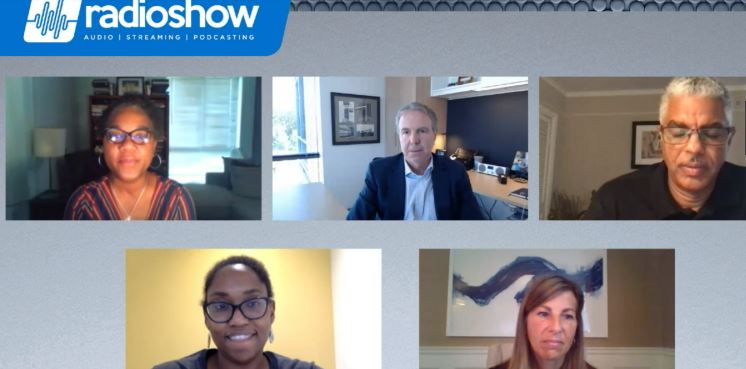
Woods is one of three radio industry executives who participated in a 2020 Radio Show virtual presentation on Friday that shared best practices for fostering diversity and inclusion initiatives at radio broadcasting companies across the U.S.
For Woods, establishing a mentorship program — no matter how one defines it — is a great start for encouraging women and minorities to get in the door. “It has value, whether you have labeled it a diversity initiative or not.”
Woods was joined by WTOP-FM in Washington, D.C. head and Hubbard Broadcasting SVP/Market Manager Joel Oxley, who preceded Woods in sharing details about how his group has achieved greater diversity across the operation.
Townsquare Media SVP/Human Resources Alyssa Goldberg was also on the panel, as was Georgetown University African American Studies and History professor Marcia Chatelain.
Moderating the session: NAB Leadership Foundation President Michelle Duke.
“We have to be doing work on ourselves,” Woods said, with journalists focusing on being good journalists — one path toward leadership success in a more diverse organization.
Chatelain discussed how businesses have been knowledgeable about the nation’s demographic shifts yet have not dealt with who leads for the future, and having a workplace that reflects America in 2020.
Perhaps they don’t have a good path for achieving goals they wish to attain.
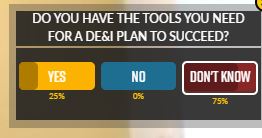
Chatelain also addressed the anxiety for “making news, or for being in the news” with respect to its diversity and inclusion initiatives, or lack thereof.
How does diversity, equity and inclusion play into the connection radio has with the community?
“At Townsquare, our name is Townsquare because we intended to be the town square of the communities we serve,” Goldberg said.
And, reflecting the communities Townsquare is in can prove interesting, as its markets include very small towns such as Oneonta, N.Y., and heavily “LatinX” metropolitan areas such as El Paso, Tex.
“A lot of these questions are very complicated and there are no easy answers, but the important thing is that you are acknowledging them and working on them together, giving people an opportunity to have a voice,” Goldberg noted.
For Oxley, “in every market it is important to reflect the diversity you have in that market, and a lot of that comes down to coverage. To do an audit of our news coverage to make sure we are in all of the different areas that represent the Washington, D.C., also has to represent the voices that we put on the air and those that are reflected in our promos. It is hard to take a long, good look in the mirror and say that there’s a lot of work to do, but it is something that has to be done. And, if it is not coming from the person in charge it is not going to work.”
A host of session materials were provided, including the following:
NAB Leadership Foundation DE&I Resource Center
Business Case for Diversity (from the Society of Human Resource Management)
Latest McKinsey Study
Korn Ferry Institute and the Five Classic (and Overlooked) D&I Mistakes