The deadline to files comment on the FCC’s long-delayed 2022 Quadrennial Review of its ownership rules for broadcast radio and television is here. A flood of opinions are expected to arrive within the next several hours, and ahead of that, one radio station licensee has submitted his call for relaxing current restrictions.
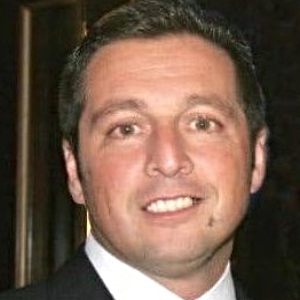
JVC Broadcasting President/CEO John Caracciolo is urging the Commission to modernize local radio ownership limits, arguing they are “outdated, economically restrictive, and fundamentally misaligned with today’s competitive media landscape.” The licensee of radio stations on New York’s Long Island and in northern Florida pressed the agency to align its regulations with digital-era realities.
“Local radio ownership caps were developed before the rise of the internet, smartphones, social media, podcasts, and national streaming services,” he wrote. “Maintaining rules rooted in a 1996 reality puts local radio at a structural disadvantage and weakens the industry that provides the most reliable local service.”
Headquartered in Ronkonkoma, N.Y., JVC Broadcasting stations include total market and Hispanic-appealing audio delivery platforms. And while digital platforms like Spotify, Apple, and Google dominate streaming, podcasting, and advertising without regulation, Caracciolo argues that local broadcasters remain the only fully regulated competitors in the modern audio marketplace. “Today’s audio marketplace is dominated by digital platforms with virtually unlimited reach and no local-service obligations,” he said. “These platforms compete directly with radio for audiences and advertising revenue, yet operate without any ownership or market-share restrictions.”
Outdated caps prevent small and mid-sized broadcasters from achieving the economies of scale needed to compete, Caracciolo added. Rising costs in engineering, staffing, licensing, and digital infrastructure have made it harder for independent operators to stay viable. “Relaxing the rules would enable broadcasters—especially independent operators such as JVC—to remain viable and continue providing the community-focused programming consumers rely on,” he explained.
Modest consolidation would not reduce local programming, he maintained. “The opposite is true. Stronger clusters allow for more full-time staff, more live and local content, more community involvement, and more charitable and public-service initiatives.”
Caracciolo highlighted radio’s unique position as a vital source of local information and emergency communication. “When emergencies occur, when storms hit, when local communities need information, it is broadcast radio—not Spotify, Apple Music, or TikTok—that delivers real-time, life-saving updates,” he said.
Drawing a stark contrast with tech companies, he added, “Spotify doesn’t run food drives. Streaming services don’t collect toys for kids who need a little extra holiday magic. Big national companies aren’t out in the cold gathering coats or filling backpacks for students—radio does.”
While digital consolidation has exploded, FCC ownership caps continue to constrain only broadcasters, Caracciolo warned. “Allowing broadcasters modest flexibility to own additional stations in a single market does not create a monopoly; it simply levels the playing field so that local radio can continue to exist in a world dominated by billion-dollar tech companies.” He also called on the Commission to meet its statutory duty to ensure rules reflect marketplace realities. “Updating these rules is not only reasonable—it is essential to fulfilling the Commission’s obligation to promote competition, localism, and diversity in a modern media environment,” Caracciolo concluded.
Lastly, Caracciolo said relaxing ownership limits would “strengthen local service, ensure long-term sustainability for community-focused broadcasters, and restore competitive balance in an audio marketplace overwhelmingly dominated by unregulated digital platforms.”