In Great Britain, Radio’s Smart Accessibility Is ‘Vital’

0

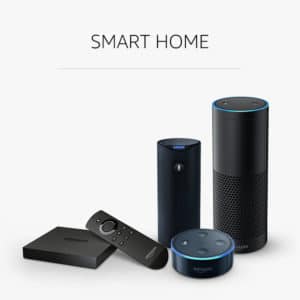
MORRO BAY, CALIF. — When it comes to voice-activated devices and audio content consumption, there’s pretty much a guarantee that a consumer who asks to listen to a particular radio station’s stream will access it easily. And, access to that stream could be anywhere within the country, such as listening to a Townsquare Media-owned Top 40 station serving suburban Philadelphia while on California’s Central Coast.


In the U.K., streaming commercial radio stations over smart devices is just as easily accomplished. But, protecting that connectivity is a paramount concern among legislators, and they’re doing something about it.


The Culture, Media and Sport Committee of the British House of Commons on Friday (7/21) announced that it has concluded the government “should include measures to protect radio” when it introduces its Media Bill “to address the risk to the industry of larger platforms controlling access to stations and driving listeners elsewhere.”

The Culture, Media and Sport Committee’s recommendation is contained in its first report following its pre-legislative scrutiny of the proposed  Media Bill.

In addition to backing the provisions aimed at ensuring radio continues to thrive in an environment where stations will be increasingly dependent on devices such as smart speakers for access to audiences, the report calls for clearer guidance on enforcement for Ofcom — the United Kingdom’s broadcast regulatory body — “to help ensure local radio continues to provide-locally gathered news.”

That’s a key focal point of efforts in the U.S. that are designed to rein in “Big Tech,” through proposed legislation that would compensate news organizations when their stories are shared via social media by users.

Dame Caroline Dinenage, a Member of Parliament and the Committee’s Chair, commented, “The environment in which radio operates has changed beyond all recognition in recent years, with the move away from independent stations towards national networks and the rise of smart speakers just the latest developments to test the existing regulatory regime.Amid the rapid changes, it is vital that the Government includes the provisions in the Media Bill to protect radio’s availability on voice-activated devices. It is also important that in the move towards deregulation of radio, Ministers do not lose sight of the importance to listeners of local news and information. The new legislation must make the enforcement responsibilities of Ofcom clear.”

Among the Committee’s main findings and recommendations are a call for Ofcom to reinforce the obligation of commercial radio stations to offer both local and non-local news, noting the “narrow duty” to do so under U.K. broadcast laws.

But, the bigger takeaway is that the rapid rise in smart speaker use means the radio industry has “legitimate concerns” about the potential for larger platforms to control access to stations and drive audiences elsewhere.

Furthermore, the future risks to radio are not confined to voice-activated devices but include in-car infotainment systems, with connected car manufacturers and providers of in-car systems controlling content, the Committee notes. But, the Committee added that the U.K. government’s position that in-car infotainment systems should not be in the scope of the Bill. Rather, the Committee but calls for the government and Ofcom to keep the issue under close review.

Among the biggest operators of commercial radio stations in the U.K. are Bauer Media Audio UK (with brands including Greatest Hits Radio, Magic, and all-digital Absolute) and and Global, known for its Capital, Heart and Classic FM brands, among others.