Guggenheim’s Max Exit Benefits A Loving Owner

0

RBR+TVBR EXCLUSIVE


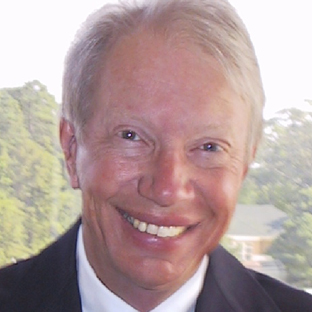
Gene Loving has enjoyed a remarkable career in radio broadcasting. In the 1960s, his syndicated interviews with The Beatles could be heard on stations across the U.S., as he attracted big audiences for his daily radio program at WGH-AM 1310 in Norfolk.

In 1991, he co-founded the original Max Media Properties, and its current incarnation dates to 2001, when Loving teamed with local TV sales veteran John Trinder and the late Chuck McFadden — a former GM of WTVZ-TV in Norfolk — to build a company that today includes radio stations in the Tidewater region, including WGH.

Now, the ownership partners are shifting at Max, with Loving gaining a greater stake in the company.

It’s thanks, in part, to the departure of a key institutional investor.

Max Media, with stations in Missouri, Illinois and suburban Denver in addition to its Norfolk assets, on Monday (12/28) submitted a Transfer of Control authorization request with the FCC that will see its “MHR License LLC” shift its assets to Max Media LLC.

With Foster Garvey counsel Melodie Virtue serving as legal counsel, Max Media seeks to increase the ownership percentage of total assets attributed to Loving to 15.71%, from 3.49%.

The same goes for Trinder.

At the same time, Max Media officer David Wilhelm will see his attributable interest in Max Media rise to 10.48%, from 3.21%.

From a voting perspective, Trinder and Loving would be 42.2% owners, with Wilhelm maintaining 15.6%.

To achieve this, Guggenheim Partners is withdrawing from its 55% asset ownership of Max Media, with Kevin Gunderson giving him majority stake in the company.

At the same time, Dick Lamb is cashing in his 1.22% ownership, as is the Larry Saunders, who held 0.06% of Max Media and saw his membership interests passed to family members following his May 2019 death.

And, the word withdrawing may be too kind to describe what has transpired.

“Outside investors in Max Media have elected to abandon their interests in the
company,” documents filed with the FCC state. “Most of these interests were held through insulated entities; however, in two cases representatives of the investors held seats on the company’s board and have resigned those seats.”