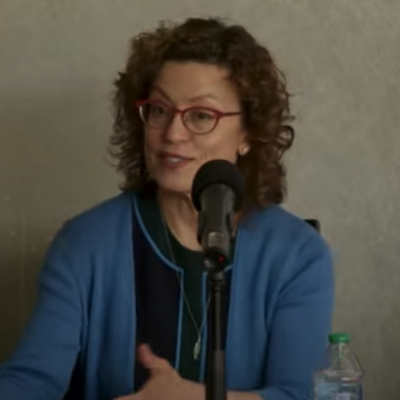
FCC Commissioner Anna Gomez issued a forceful rebuke of what she described as a coordinated federal campaign to intimidate journalists and pressure news organizations into silence, warning that regulatory power is increasingly being used as a political weapon. “If I get fired, it isn’t because I didn’t do my job—it’s because I insisted on doing it,” Gomez said during a public forum held this week as part of her “First Amendment Tour,” an initiative launched to spotlight press freedom concerns.

In remarks delivered before a room of local broadcasters, journalists, and media executives, Gomez alleged that the Federal Communications Commission, along with other federal agencies such as the Federal Trade Commission, has engaged in what she called “an administration-wide campaign” to chill dissenting speech. “We’ve seen the FCC, FTC, and other arms of this administration launch a full-court press to suppress speech they don’t like,” she said. “These aren’t isolated actions. This is coordinated, and the goal is clear: stop people from speaking out.”
Commissioner Gomez, a Democrat, raised concerns that under Republican Chairman Brendan Carr, the FCC has been actively investigating editorial decisions made by newsrooms and examining public broadcasters’ operations under the guise of regulatory compliance. She said she has received reports from journalists who claim they have been instructed to avoid politically sensitive topics out of fear of federal scrutiny or repercussions affecting their parent companies.
“Freedom of the press requires journalists that are able to do their job without interference from their corporate parents,” she said. “We are not seeing that today.”
In one of the event’s more tense moments, Gomez openly questioned the security of her own position, referencing recent removals of Democratic commissioners from other federal agencies. “I may not be in this position throughout my whole term,” she said. “That would be illegal and disregard the will of Congress, because I was confirmed for a term that does not expire for another couple of years.”
The panel also featured LAist CEO Alejandra Santamaria, who disclosed that her NPR-affiliated public station is the subject of an ongoing FCC inquiry regarding sponsorship and underwriting disclosures. While Santamaria said she believes the station is in compliance, she emphasized the financial strain imposed by the investigation, including legal fees and administrative demands. She added that proposed federal cuts to the Corporation for Public Broadcasting would remove $1.7 million from LAist’s annual budget—an amount equivalent to 13 newsroom positions.
Concerns over regulatory overreach were further amplified by discussion of Chairman Carr’s “Delete, Delete, Delete” initiative, which seeks to streamline the FCC’s rulebook. When asked about reports that the initiative may bypass standard rulemaking procedures, Gomez said she was unaware of any immediate plans to invoke the “good cause” exemption, a mechanism included in a recent executive order that would allow rule eliminations without public comment or a full Commission vote. However, she cautioned that once a Republican majority is seated at the Commission next month, such changes could advance quickly.
“I’m deeply concerned about what might happen in the media ownership proceeding,” Commissioner Gomez said, referencing ongoing deliberations about local ownership rules and industry consolidation. “The stakes for the future of independent journalism are very real.”