

RBR+TVBR OBSERVATION BY ADAM R JACOBSON
Over the weekend, my wife and I stumbled upon a cute little café. We perused the menu, and it sure looked tempting. One couple sat at a patio table; the remainder of the restaurant was empty despite it being prime time for a brunch crowd. The restaurant was on a well trafficked road with plenty of pedestrians, even in the summertime heat.
Out of curiosity, I asked the hostess how long the restaurant had been open — a couple of weeks? Perhaps a month? “Oh, we opened, um, maybe a year ago?” she replied. We tried not to be too surprised with the response as I immediately asked, “Really? How have you been telling people about the restaurant?” Her response: Facebook and Instagram.
I tried not to shake my head. You have to tell people you exist if you expect to get people to discover you, try you, and get them hooked so they come back time and again, I thought to myself.
A lightbulb then went off inside my head. Who knew that this would be great advice for U.S. radio stations?
This morning, for a change of pace, I asked Alexa to play a local radio station in our home market of West Palm Beach. My wife took notice as songs from *NYSNC, Michael Jackson, Fleetwood Mac and George Michael featuring Elton John aired just before 8am.
“Is this a new radio station?” she wondered. No. Not at all. I had selected a radio station that has been in the market for decades. Only, my wife had no idea it existed. She wasn’t familiar with its name, or its frequency on the FM dial. “Don’t they advertise that the station is on? It’s pretty good,” she remarked.
Sigh … This particular radio has strong Nielsen Audio ratings. Alas, it is largely invisible to those that do not already consume the station. There is no out-of-home advertising. There are no television commercials. Instagram, used each day for hours by the Wifey, has no activity from any local radio station.
Like that cute little cafe, how does this fun little radio station expect to grow its audience and welcome new consumers if it doesn’t advertise?
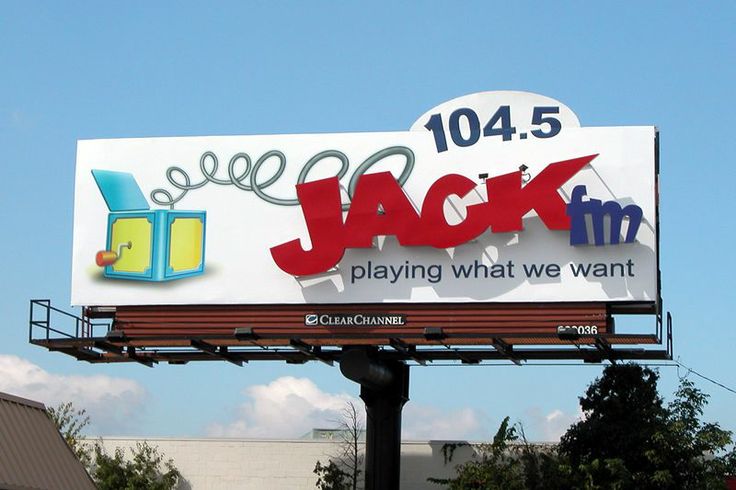
Of course, singling out this one radio station isn’t fair. Aside from the iHeartMedia freebie billboard featuring three core artists and a station logo, when’s the last time you saw a meaningful billboard for a commercially licensed radio station light up your market?
If we were to pause to let you think about that answer, we may miss the November midterm election results.
Time and again, advertising industry executives stress the importance of continued marketing. It’s quite possibly a discussion a radio station’s own account executive should share when making a sales call — a sustained advertising effort is a winning one, as it keeps a brand fresh and in the consumer’s consciousness. Among other things, it maintains their sense of connectivity, and the likelihood that they will be a part of the daily activities of a local listener.
Yet, it appears many radio stations don’t engage in this very advice when it comes to their own advertising and marketing needs.
THE EXTERNAL WORD
Some radio stations may be highly active in promoting its air personalities or activities around town or inside the station itself. But, this activity may involve Facebook or Instagram — destinations for those who are already consuming the station.
Direct mail pieces or station e-mail newsletters are equals with respect to effort versus result.
When it comes to engaging the audience you have, these tools can be highly beneficial. But, are some stations using their social media as a main conduit for their marketing and promotion?
It’s something we fear, as this shows a radio station is not engaged in any external communication. All of its efforts are focused on those already tuning to the radio station. Inviting new listeners would, in this case, require the “Superfans” engaged via social media to spread the gospel. Despite the advice of thought leaders in the space including Superfans author Pat Flynn, these “superfans” are your ambassadors — not a radio station’s unpaid marketing and promotion pros. Yes, they adore what you and your station bring to them. But, they’re not necessarily going to spread the love.
Your radio station is a product and a brand. In many ways it is a restaurant that, instead of a menu of food and beverages, is a menu of music, entertainment and personality. A restaurant needs to advertise beyond its superfans to grow its business. So does a radio station. Simply stated, any business needs to advertise beyond its superfans to grow its audience and, subsequently, its revenue. Radio is not exempt.
“You’ve got to spend money to make money” is an old adage that, while overused, isn’t used enough when it comes to marketing and promotion of radio stations. Tell the world you exist. You just may be surprised with the simple result of a clever marketing campaign.
Social media is good. Just don’t rely on it to get the marketing job accomplished.
The views expressed in a RBR+TVBR Observation are those of the editorial department of the Radio + Television Business Report and not of Streamline Publishing or its associated publications.
TALK BACK TO RBR+TVBR! Make your voice heard by submitting a comment below.