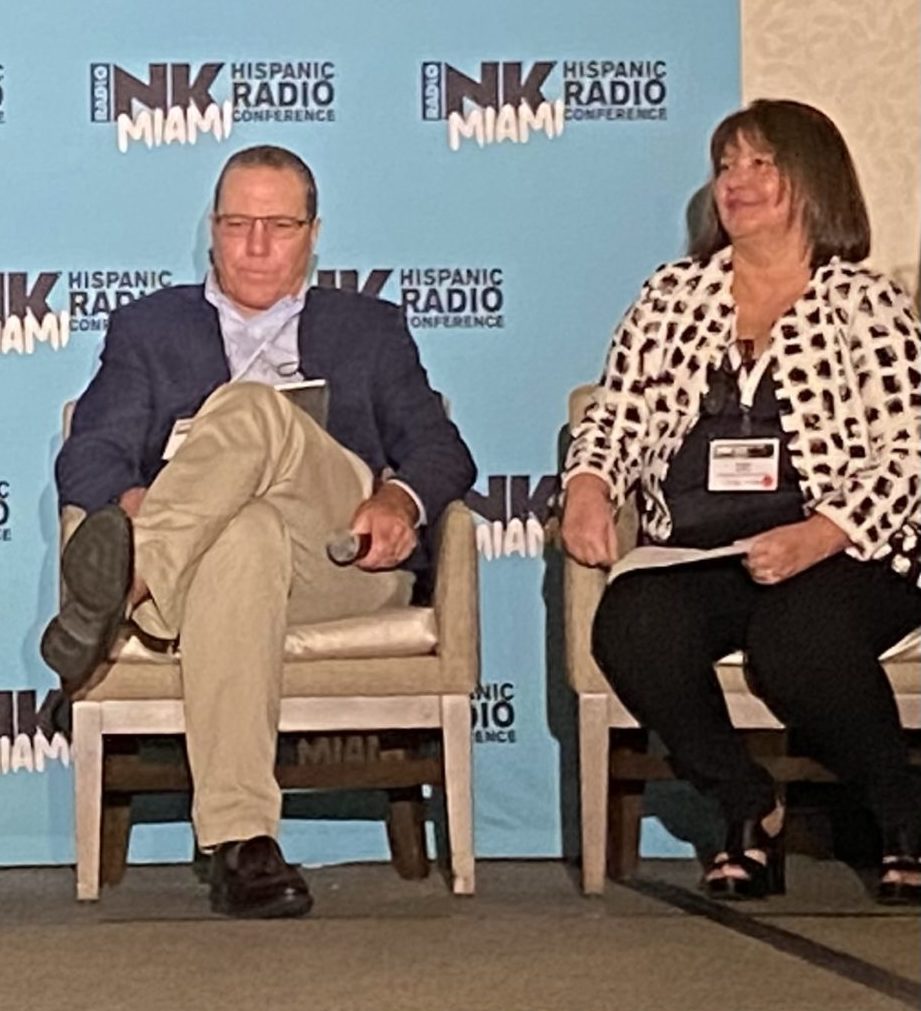
As Angie Balderas, the SVP of Entravision Communications’ Sacramento, Stockton and Modesto, Calif., radio stations sees it, the pandemic hit the Spanish-language radio industry in the U.S. “probably harder than any other traditional media.”
Why? Stay-at-home ordinances and remote work mandates eliminated the daily commute. As a result, from her perspective, in-car radio listening and ad revenue “plummeted” during the early months of the global COVID-19 2020 shutdown.
Now, dollars are surging, she says.

Speaking to HispanicAd.com ahead of the Hispanic Radio Conference in Miami, Balderas noted, “Eighteen months into the pandemic and Spanish radio listening is back to pre-pandemic levels and advertising is surging across the country. The extraordinary resilience of the radio industry in general, which has been proclaimed a dying media for the last 20 years, continues to deliver a high quality product, desirable audiences and advertiser results.”
In Sacramento, state government ad spending has helped to bring a comeback to Hispanic media in the Golden State. Gerardo Martinez, Chief Revenue Officer for Lazer Broadcasting, noted that Mercury Media stepped in during August and pumped up its political advertisements, in particular as part of a “No” vote campaign tied to Gov. Gavin Newsom’s bid to avoid being recalled and replaced by Talk show host Larry Elder and a slew of Republican challengers.
For Balderas, “Government ad spending at all levels stepped up to educate the public and leaned heavily on Spanish [language] radio to deliver the message thus creating small windfalls in new ad revenue.”
Additionally, Balderas said auto dealers challenged by chip shortages and inventory made adjustments to the operations. As such, they discovered a whole new level of profitability by focusing on used cars, lease returns and enhancing their service department offerings.
Furthermore, Balderas said, restaurants reinvented themselves with take-out specials, delivery app alliances, creative cocktails-to-go and also expanded their outdoor dining capabilities.
“As our communities reopened, employers large and small have flocked to Spanish radio to fill needed positions,” Balderas said. “Our desirable and growing audience responds to high frequency radio schedules.”
Moving into 2022, Spanish-language radio will continue to benefit from the return of the entertainment/concert business, leisure, travel, theme parks and casino industries, she added.
“We’ve proven again that marketing, especially in a crisis, requires a need for creative and nimble solutions that must accelerate adaptability to new circumstances,” Balderas said of Hispanic radio. “One of the biggest takeaways I have experienced are some of the most honest conversations with local clients who lost a lot during the pandemic shutdowns and are more determined than ever to rebuild. I truly believe our relationships have become stronger because of it. At the end of the day we are in this partnership together.”