

For more than a decade, iHeartMedia radio stations carrying national campaigns through its Premiere Networks arm and via local campaigns maintained exclusivity for a mobile speed dial rapid accessibility tool designed to aid recall and action in a Direct Response advertisement. Now, “Dial #250” is available to all across North America.
The spoken-keyword response tool developed and marketed by a Kansas City-area company, MDR Group LLC, says it is already working with Audacy, Cumulus Media, Bonneville International and other radio groups.
How it works it simple: Instead of reading a 10-digit phone number, a spot tells listeners to “dial #250 and say [BRAND].” The caller dials #250, speaks the brand name, category or slogan, and is instantly connected by a live call to whatever number the advertiser chooses. A #250 prompt can also send the caller a text message with a campaign-specific link.
It is available to radio broadcasting companies across the U.S. and Canada.
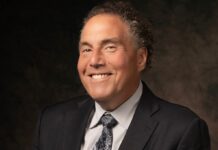
MDR Group Chief Marketing Officer Dave Robinett comments, “Radio has always had an attribution problem, because ‘you can’t click on a radio ad.’ Unique phone numbers were the only solution, but the problem was nobody can remember them. Three-quarters of radio listening happens in the car, where nobody can write down ten digits or type a URL. So listeners mean to respond ‘later,’ and later usually means a Google search, where the credit goes to search instead of the radio buy that created the demand, and the listener runs into a page full of competitors’ ads. The #250 action lets them act while the spot is still playing. This connects the prospect while they are hot, provides perfect attribution to Radio, and never let’s them see competitors on Google.”
Meanwhile, #250 now uses Voice AI, so it can connect a caller even when they’ve forgotten the advertiser’s name. Listeners only need to describe what they heard, such as “the roofing company with the free inspection” or “that Medicare plan from this morning,” or name the type of product or service. The AI agent identifies the advertiser and completes the connection.
“Radio’s biggest leak has never been the listener who didn’t care,” Robinett continues. “It’s the listener who cared but couldn’t remember the details. Voice AI closes that gap. If they remember what the ad was about, we can get them to the brand.”
Advertisers can assign a different spoken keyword to each campaign, creative, station or market, which gives them the same source-level tracking as a unique toll-free number but in a form listeners can actually remember. Stations get hard response data to bring to renewal conversations.
National direct-response advertisers already using #250 include Chapter Medicare, BetterHelp, Pure Talk and Preborn. Listeners to The Glenn Beck Program hear “dial #250 and say CHAPTER” and “dial #250 and say BABY” on air today. In Christian media, Salem Media, Liberty University, Food For The Poor and Amazing Facts have used #250 for listener support, radiothons, partner-ministry outreach and sponsor response.
Television advertisers are adopting #250 too, particularly in direct-response TV and connected TV, as an alternative to QR codes, Robinett shares. “A QR code only works while it’s on the screen. The moment the spot ends, it’s gone,” he says. “And a viewer relaxing in front of a show isn’t going to memorize a phone number or stop to type a web address. ‘Dial #250 and say [BRAND]’ stays in their head after the ad is over, and they can act on it whenever they’re ready.”
Learn more: https://calendly.com/a-speed-