FCC Takes Next Step Toward Accelerating ATSC 3.0 Adoption

0

A Fifth Further Notice of Proposed Rulemaking that seeks comment on rule changes designed to support the nation’s ongoing transition to ATSC 3.0 digital broadcast signals, which power NEXTGEN TV, has gotten an affirmative nod to proceed from all three of the FCC’s Commissioners.


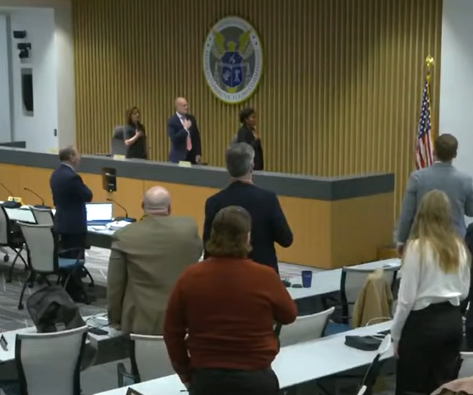
The 3-0 vote came on Tuesday during the FCC’s October Open Meeting, held with a large crowd on hand — a sign that while some 1,000 Commission staffers remain furloughed due to a lack of funding of the federal government, votes on pending items will not be put off even as the License & Management System remains offline due to the shutdown. For Chairman Brendan Carr, it is “The Schumer Shutdown,” choosing to fuel the narrative that it is Democratic leaders that have created the matter, although it takes bipartisan compromise for such matters to reach agreement.

With Acting Bureau Chief Erin Boone seated alongside Policy Division Attorney Advisor Evan Baranoff, who presented the item, which tentatively concludes that the Commission should eliminate the simulcasting requirement for stations that transition to ATSC 3.0 while continuing to permit simulcasting on a “voluntary, simplified basis.” 

The FNPRM also seeks comment on a range of closely-related issues and other matters touching on NEXTGEN TV transition.

With targeted emergency alerts, interactive and special programming features, and higher-quality video and audio formats among the benefits of ATSC 3.0 broadcast technology to consumers, the shift from ATSC 1.0 will also bring about non-traditional revenue opportunities that range from powering the “internet of things” to delivering a NAB-supported and developed alternative to the Global Positioning System (GPS).

However, a “flash-cut” to ATSC 3.0 possibility is now in place, and that could get the broadcast TV industry talking — and turbo-charge opposition from the MVPD industry and lobbying organizations including the American Television Alliance (ATVA) and ACA Connects. It is the desire of the cable TV industry to prevent any abandonment of ATSC 1.0 signals, as it would create undue burdens on how it could deliver an ATSC 3.0 signal to its customers.

Would this realistically happen? While it is a possibility, the language of the fifth FNPRM is designed to remove requirements for simulcasts — thus making the end of any ATSC 1.0 and ATSC 3.0 dual signal need a consumer-driven, rather than regulatory, choice.

Indeed, removing regulatory obstacles and provide broadcasters with greater flexibility to decide when and how to make the ATSC 3.0 transition based on local viewer and marketplace demands is crux to the Media Bureau’s tentative conclusions.

Commenting from the bench, lone Democratic-aligned FCC Commissioner Anna Gómez noted how a significant number of consumers receive their TV signals via free over-the-air broadcast signals. With multiple standards transitions under the Commission’s belt, getting a signal to consumers without any interruption has been consistent and remains paramount. Thus, dongles and set-top boxes would be necessary to receive an ATSC 3.0 signal should their equipment not be NEXTGEN TV-ready. What cost to consumers would this present, should a “flash cut” be decided? Will consumers be aware of this change and continue to be able to receive signals that could minimize the potential negative impact? These are questions Gómez hopes to get more insight on with the fifth FNPRM, in which the Commission will seek comment on how to minimize the costs and impact of this transition on all stakeholders — including manufacturers, MVPDs, and smaller broadcasters.

Alternatives that could protect consumers will be considered. Whether or not they will be included in the final rulemaking will become known in the coming weeks. Many will likely have their say through ex parte comment filings, but Consumer Technology Association CEO Gary Shapiro didn’t wait.

Shortly after the FCC’s vote to advance its support for a voluntary, market-driven transition to NEXTGEN TV, the head of an organization representing over 1,200 tech companies that seeks to squash the AM Radio for Every Vehicle Act on Capitol “welcomes this step.”

That said, the ATSC continues to oppose any government mandate requiring TVs to include ATSC 3.0 tuners.

Gary Shapiro, CEO of the Consumer Technology Association

“Americans should be able to choose the features they want in their TVs,” Shapiro said in a statement. “Innovation thrives when consumers — not the government — pick the technology that works best for them.”

Shapiro added that the CTA “helped build the NEXTGEN TV standard and branding.” Now, he concluded, “It’s time for broadcasters to do their part — not by pushing mandates, but by promoting and educating viewers about this new technology.” 

Naturally, the NAB is pleased with the vote in favor of moving forward with the fifth FNPRM.

“The FCC’s action today is a meaningful step toward realizing the full benefits of NextGen TV, and NAB applauds Chairman Carr and Commissioners Gomez and Trusty for their leadership on this important issue,” said NAB President/CEO Curtis LeGeyt. “By moving to eliminate outdated rules, the Commission is clearing the path for broadcasters to better serve viewers with enhanced picture and sound, robust emergency alerts and new interactive features.”

LeGeyt added that NEXTGEN TV stations are present in upward of 80 U.S. DMAs today and that the vote “signals important momentum.”