


“Broadcasters must be able to make programming decisions free from government influence — a responsibility the First Amendment entrusts to America’s local TV and radio stations.”
That’s what NAB President/CEO Curtis LeGeyt shares in commentary distributed Sunday by the association, in which he notes that as broadcasters face disruption from Big Tech, political interference in license ownership or editorial choices threatens both investment and trust in local journalism.
The commentary begins with LeGeyt noting that the controversy surrounding ABC’s indefinite suspension of the “Jimmy Kimmel Live!” late-night program “has sparked understandable questions about broadcasters’ First Amendment rights and the influence of those in power.”
In particular, LeGeyt writes, “This is an unprecedented time in media history and moments like this demand a direct conversation about what is at stake.”
What is at stake? LeGeyt shares, “Let me first state affirmatively that broadcasters must be able to make decisions about the content on our airwaves free from government influence.” That’s because the First Amendment “affords our stations — and all Americans — this fundamental right, and the mere perception that broadcasters acted because of undue pressure is a problem for our credibility and the trust we have built with our audiences,” LeGeyt writes.
Unfortunately, he asks, “Government pressure on media to cover events in a particular way is not new and it has come from both political parties.”
During the Obama administration, LeGeyt notes, journalists decried the use of the Espionage Act to investigate reporters and demand their confidential sources. “Under the Biden administration, reporters faced growing barriers to access, and local affiliate stations were targeted based on the actions of cable news networks,” he says. “Today, we continue to see veiled threats suggesting broadcasters should be penalized for airing content that is contrary to a particular point of view. These attempts were wrong then, and they are wrong now.”
That’s why LeGeyt believes the First Amendment “makes clear that broadcasters — not the government — bear the responsibility for editorial decisions.”
Local radio and television stations take this obligation seriously, he adds, “working every day to reflect the unique and diverse needs of our communities, especially on sensitive issues. This is what makes local stations the most trusted sources of information. Ultimately, broadcasters are accountable to the viewers and listeners we serve.”
BROADCASTERS’ OTHER BIG CHALLENGE
“Beyond the obvious constitutional issues that have been raised, there is another challenge,” LeGeyt concludes. “Broadcasters are already fighting for our future, facing extraordinary disruption in the media ecosystem from Big Tech. If the very act of owning or transferring a broadcast license carries the risk of political interference, it will drive investment further away from local stations at the very moment we need more resources to sustain local journalism.”
LeGeyt concludes his commentary by noting that the NAB “is fighting every day in Washington” on behalf of broadcast radio and television, but “all of that is futile if we cannot fulfill our most sacred responsibility: reporting to our communities without fear of government retribution.”
That is why this week’s celebration of “First Amendment Day” is not just symbolic for NAB or its leader. “It is a reminder that the ability of local broadcasters to speak without fear of intimidation or interference is essential for the health of our democracy,” LeGeyt says. “NAB will continue to defend that freedom — publicly when necessary, and privately when most effective. Because without it, everything else falls away.”

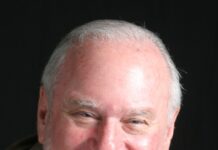

Broadcasters argue that they must retain the right to make programming decisions free from political pressure or regulatory overreach.
Comments are closed.